To learn more about the state of Florida, picture it with its beautiful beaches, sunny climate, and variety of cities with ocean views. While the state’s location and climate support those amenities, they also pose threats from hurricanes, floods, and wildfires. Investments are something any homeowner should know how to protect with homeowners insurance.
Florida is a national leader in homeowners insurance. Moreover, more than 6 million policies are written there. Many factors shape the insurance landscape in the state. Florida gets hit by one hurricane after another, and that’s a lot of damage, with floods from heavy rain and storm surges, particularly along the coast. The dry seasons with strong winds provide ideal wildfire conditions, especially in rural areas. Also, limestone in Florida causes sinkholes.
Homeowners insurance in Florida offers a variety of significant benefits. It protects you against losing money due to damage to your home and property. In this way, you also have peace of mind, knowing you will be prepared for an unexpected event. As nearly all mortgages will call for property owner insurance to obtain a home loan, you also leave it to the actual home loan needs. It offers legal protection and therefore helps defend against liability claims.
Understanding Florida Homeowners Insurance: What You Need to Know
Homeowners insurance in Florida is essential for protecting your home and belongings, given the state’s risks, such as hurricanes and flooding. Here’s an easy guide to understanding what it covers and why it matters.
Basics of Florida Homeowners Insurance
Florida homeowners insurance protects your residence and personal possessions in the event of circumstances such as hurricanes or fires that may cause damage to your property and belongings or result in loss due to theft incidents. In Florida, home insurance plans usually cover your house structure and belongings and liability protection for injuries that visitors might suffer on your property due to the state’s vulnerability to disasters, like windstorms and floods. To make sure your home stays secure, it’s important to know what’s covered and what’s not in your insurance policy, so you can choose the one that’s right for you.
Why Insurance is Essential for Florida Homeowners.
Home insurance is crucial for residents in Florida, as it safeguards their homes and finances against calamities such as hurricanes and severe storms, which occur frequently each year and can cause costly property damage that is difficult to repair without insurance coverage. It’s not just about protecting your property; it also extends coverage to your belongings and provides liability protection in case of any injuries occurring on your premises. Having insurance ensures security for you and your loved ones during times of trouble. You feel at ease when you’re prepared for whatever weather Florida may bring your way.
What Types of Protection are Provided in a Home Insurance Plan?
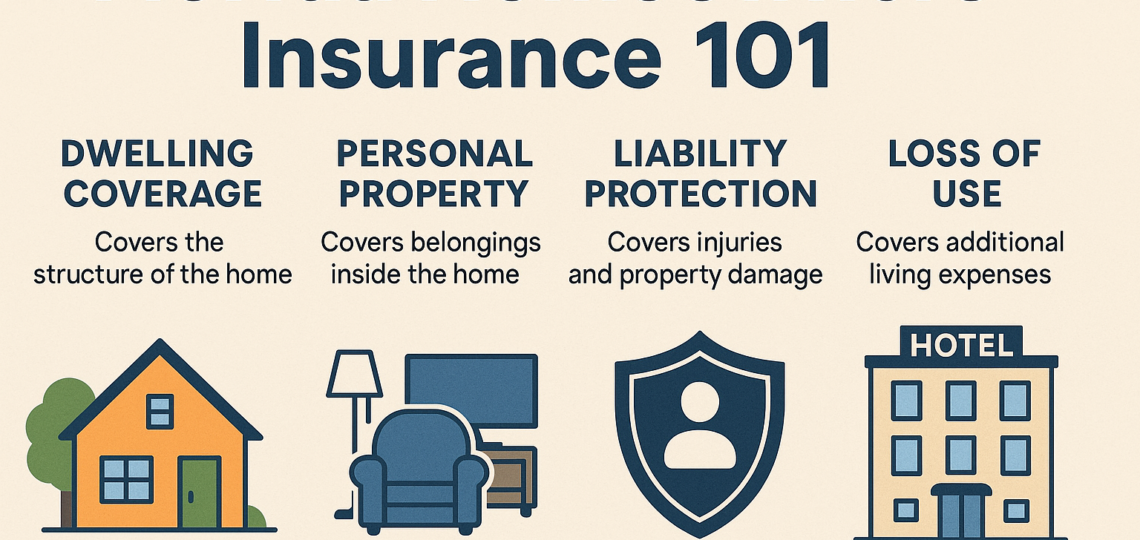
When you have a homeowners insurance policy in place, it provides types of coverage to keep you and your home safe and secure. Firstly, the Dwelling Coverage looks after the structure of your house, such as walls, roof, and floors, in case events like fire or storms damage them. Then there’s Personal Property Coverage that takes care of your belongings like furniture, clothes, and electronics in case they’re stolen or damaged. Lastly, Liability Protection steps in if someone on your property is injured or if you accidentally damage someone’s property. It helps with costs and medical bills. In Florida, insurance policies often include coverage for Additional Living Expenses (ALE), which helps cover temporary accommodation expenses if your residence is uninhabitable due to covered damages. Many policies also offer Windstorm and Hurricane Coverage to safeguard against wind damage; it might be necessary to purchase Flood Insurance, as most policies do not include coverage for floods. These different types of coverage ensure your safety and your home’s security.
When you have a homeowners insurance policy in place, it provides types of coverage to keep you and your home safe and secure.
- Dwelling Coverage: Covers the structure of your home, including walls, roof, and floors, in case of damage from events like fire or storms.
- Personal Property Coverage: Protects personal belongings, such as furniture, clothing, and electronics, against theft or damage.
- Liability Protection: Helps cover costs, including medical bills, if someone is injured on your property or if you accidentally cause damage to someone else’s property.
- Additional Living Expenses (ALE): Common in Florida policies, ALE covers temporary living expenses if your home becomes uninhabitable due to covered damages.
- Windstorm and Hurricane Coverage: Protects against wind-related damage, especially important in hurricane-prone areas like Florida.
- Flood Insurance: Often sold separately, flood insurance is necessary since most policies do not cover flood damage.
These coverages work together to protect you, your home, and your belongings.
Key Differences Between Florida’s Policies and Those of Other States.
Home insurance policies in Florida are unique compared to those in other states because of the risk of hurricanes and tropical storms, as well as the flooding that comes with living in the Sunshine State. Due to Florida’s climate risks and vulnerabilities to disasters like hurricanes and windstorms, insurance policies often require separate deductibles for these events, distinguishing them from typical deductible arrangements found in other regions. To illustrate this point further, if a hurricane were to cause damage to your dwelling, you might face a deductible specifically designated for hurricane-related damages instead of the deductible applied for other forms of property damage.
In Florida and other high-risk areas, homeowners may need to purchase Flood Insurance from the National Flood Insurance Program or a private insurer, as their policies typically do not include flood coverage. In states with lower flood risks, such additional coverage may not be required.
Florida offers a state-supported insurance option, the Citizens Property Insurance Corporation, which provides coverage for homeowners who cannot secure insurance from private insurers in high-risk zones. Insurance customers will not find this aspect in other states with lower storm-related risks and weather challenges unique to Florida’s landscape.
Common Risks for Florida Homes
Florida residents face dangers due to the state’s tropical climate. Its seasonal weather variations and regional characteristics prompt homeowners to make well-informed decisions regarding protecting their properties and selecting insurance coverage wisely. The main risks include weather-related events like hurricanes, flooding, and windstorms, as well as region-specific concerns such as sinkholes and wildfires. These natural phenomena affect not only a residence’s security but also insurance requirements.
Weather-Related Risks: Hurricanes, Floods, and Windstorms
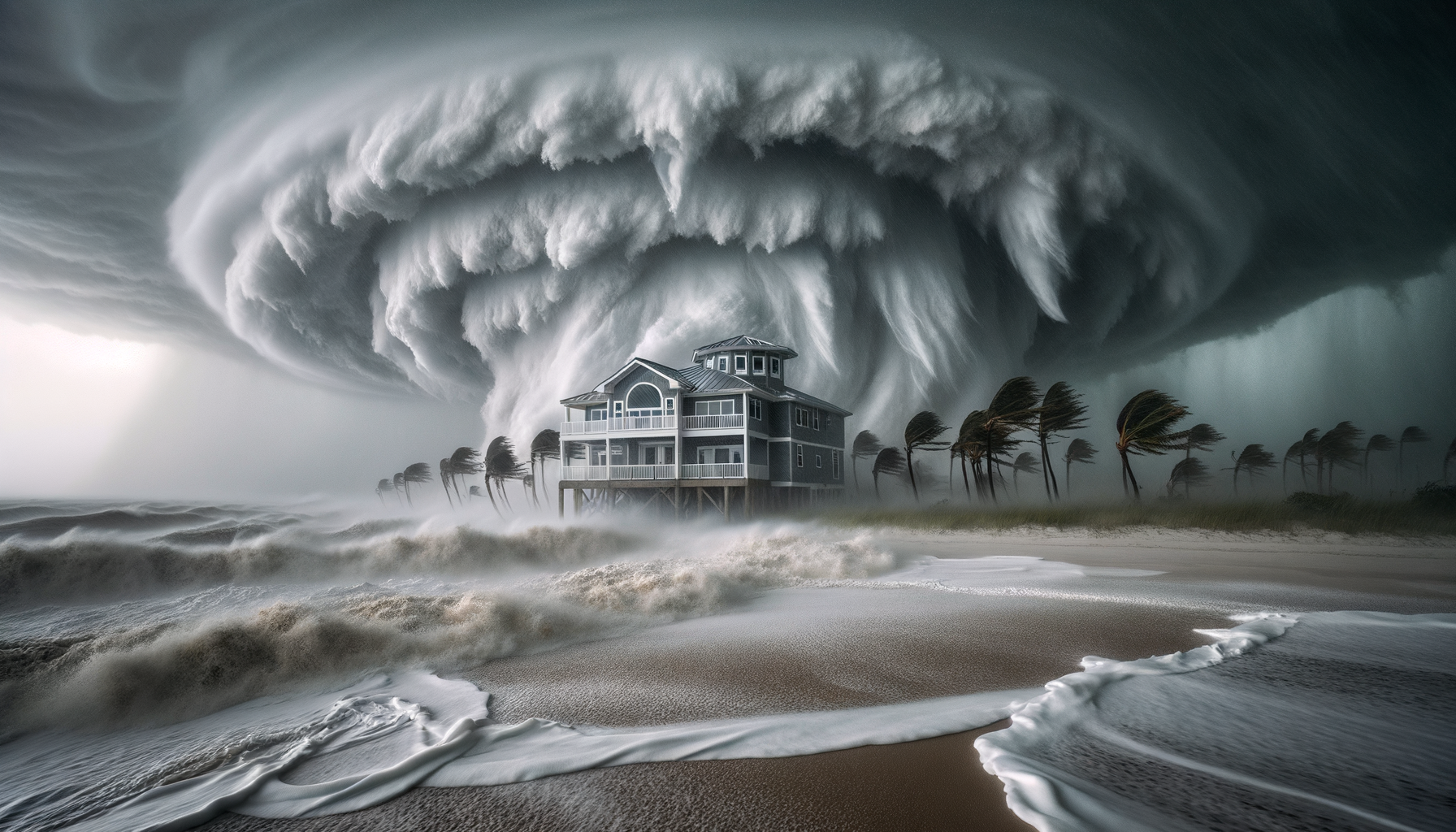
The weather in Florida can be unpredictable, with the state experiencing a high number of hurricanes, especially during hurricane season, which runs from June to November. Hurricanes can cause harm by bringing winds and heavy rain that lead to flooding and damage to roofs and home structures. In areas where flooding is a significant concern, particularly during moderate rainstorms that can cause substantial flooding and escalate into a danger when hit by hurricanes or tropical storms, even windstorms, though less intense than hurricanes, still pose a frequent threat, as strong winds can scatter debris and harm houses, necessitating homeowners to take precautions to protect their homes from storms.
Unique Regional Risks: Sinkholes and Wildfires
Florida’s landscape comes with its own set of difficulties, like sinkholes. Wildfires are a concern for the safety and well-being of residents and the integrity of their properties across the state, particularly in central Florida, where soil erosion can lead to unexpected sinkhole occurrences that could harm structures or put homes at risk. Hurricanes are more frequent in the region than wildfires, which also pose risks, particularly in dry, forested zones of Florida, where flammable conditions could lead to rapid fire spread and endangerment across residential settings. Residents living close to forests or in other regions should stay alert to the danger of wildfires. Think about ways to prevent them by clearing vegetation around their homes.
Seasonal Changes and Their Impact on Insurance Needs
Changes in the weather occur as the seasons transition. Impact the insurance requirements of homeowners accordingly. Using hurricane season as an illustration, it becomes crucial for insurance to include wind damage and flood protection, since policies do not cover flood-related damages. During periods of low moisture content (i.e., reasons), the likelihood of wildfires surges; thus, homeowners must verify that they have fire protection coverage. In areas with sinkholes, securing a policy or adding sinkhole coverage to a standard home insurance policy might be necessary, since most standard policies do not cover sinkhole damage.
It is crucial to ease homeowners’ minds in Florida and ensure their homes are secure against risks. Staying vigilant and ready for any changes that may come their way throughout the year can help them safeguard their homes effectively.
Hurricane and Flood Insurance in Florida: What You Need to Know
Living in Florida comes with the challenge of facing hurricanes and floods. Protecting your home and finances is important in case a disaster strikes your area, like a storm. In this guide, we’ll discuss the essentials of hurricane insurance deductibles. Getting separate flood insurance is critical for protection against such calamities occurring in your region. We’ll also provide insights into whether you require coverage based on where you live.
Overview of Hurricane Deductibles in Florida Policies
In Florida, insurance policies have a hurricane deductible separate from the usual deductible for other home damage. The hurricane deductible is triggered specifically during a named storm. Carriers typically calculate it as a percentage of the home’s insured value, commonly between 2 and 5 percent.
Imagine that you have your house insured for $300k with a 3% hurricane deductible. In your policy’s terms and conditions, in the event of a hurricane causing damage to your property, you would be required to cover the $9000 expense before your insurance coverage takes effect to manage the remaining repair costs. This upfront deductible can often be a burden for homeowners, hence it’s vital to be aware of the potential out-of-pocket expenses involved in such situations. When you first buy or renew your policy, you may have the chance to select a higher or lower deductible option for a deductible, and your monthly premiums may decrease; however, being ready to cover a sum in case a hurricane occurs, your hurricane deductible is important to prevent costs when filing a claim and plan, for repairs in advance if you reside in a hurricane region, like Florida.
Understanding your hurricane deductible can help you avoid surprises when you need to make a claim. It can also help you budget for repairs, especially if you live in a hurricane-prone area. In any case, planning for this expense is a smart move if you live in Florida.
The Importance of Separate Flood Insurance, Even if It’s Not Required
It’s a misconception, among homeowners, that their hurricane insurance covers all damages caused by storms such as flooding; however, standard homeowners insurance policies usually don’t cover flood damage, so it’s important to get a separate flood insurance policy to protect your property from water damage due to rain-driven floods and storm surges during hurricanes.
Living in Florida means considering flood insurance outside designated flood zones, given the risks posed by hurricanes and tropical storms that can cause flooding beyond them and in high-risk areas. Flooding is a disaster across the U.S., striking unexpectedly in various locations. Interestingly enough, around a third of flood claims originate from areas considered moderate to low risk.
In some cases, lenders might require flood insurance when your house is in an area; however, even without that requirement, it’s wise to consider getting it anyway just to be safe. If your home gets flooded and you don’t have insurance, you’ll have to pay for all the repairs and replacements yourself! Even a small amount of water inside your home can lead to repair costs reaching tens of thousands of dollars, so getting a separate policy could protect you from financial trouble.
How to Assess if You Need Additional Coverage Based on Location
Finding insurance coverage for your area can significantly enhance the security of your home. Healthy research begins with evaluating the flood risk of your residence. Consult FEMA’s flood maps to ascertain whether you reside in a flood region. It’s advisable to investigate instances of flooding in your vicinity. Even if FEMA’s maps do not categorize your location as a risk, be aware of any flooding incidents affecting your neighbors or nearby communities. Your property could still be at risk even if it is outside the designated zones.
Living near the coast is a consideration when assessing risk factors for homeownership safety in hurricane areas. Properties near the shoreline are more vulnerable to storm surges, which can trigger flooding in regions not typically prone to such events. Moreover, regions accustomed to rainfall during hurricane seasons have robust measures for safeguarding against winds and floods.
When evaluating your insurance requirements, it’s important to consider how well-equipped your residence is to withstand weather conditions such as storms and hurricanes. Are you residing in a modern structure specifically built to endure hurricanes or an older house with limited protective measures? Newer residences might have features that make them more resistant to storms. However, they could still suffer significant harm from flooding and strong winds. Some insurance providers may offer perks or reduced rates to homeowners who take measures to strengthen their homes, such as installing hurricane shutters or reinforcing the roof.
Shop Online for the Best Deals
Finally, chat with your insurance agent about the insurance options for the risks in your area. Your agent can assist you in evaluating the expenses and advantages of acquiring flood and hurricane coverage, providing you with reassurance and financial stability.
Understanding how hurricane deductibles work and recognizing the importance of having flood insurance in place are steps to safeguard your home and financial well-being against the uncertainties of Florida’s changing weather. Feeling prepared can alleviate anxiety and provide reassurance when dealing with the state’s climate patterns.
Special Coverage Options for Florida Homeowners
Living in Florida can be challenging when insuring your home, since the state faces challenges like sinkholes and windstorms and has rules for homeowners in community associations (HOAs). In addition to standard homeowners insurance plans, many residents choose coverage to protect themselves from these hazards, such as sinkhole and windstorm insurance, as well as coverage for HOA fees and assessments.
Sinkhole Coverage: What it is and Why it is Important
Sinkholes pose a threat in Florida’s limestone regions as the rock dissolves, forming underground cavities that may collapse, damaging buildings and infrastructure. When those cavities give way unexpectedly, roads and other structures collapse too. Florida experiences more sinkhole activity than other states, and it’s a significant concern for numerous homeowners here. Standard homeowners insurance usually covers “ground cover collapse,” which kicks in only if a sinkhole renders the residence unlivable. However, standard policies do not typically cover instances of sinkhole activity that lead to structural harm.
Sinkhole insurance is an option you can add to your policy to cover the expenses of fixing sinkhole-related damage that may not be severe in nature. This coverage allows homeowners to deal with issues such as wall cracks and foundation problems caused by a forming sinkhole. Because sinkholes can appear unexpectedly and cause damage over time, this insurance provides relief by ensuring that necessary repairs won’t be financially straining.
Homes located in the region known as “sinkhole alley,” covering sections of Hillsborough, Hernando, and Pasco counties, where sinkholes are common, greatly benefit from this insurance coverage.
Homeowners in these risk areas must undergo a sinkhole inspection before being granted coverage. Although having sinkhole coverage may raise your insurance costs, it is an investment if you reside in an area prone to sinkhole occurrences.
Windstorm Coverage and Eligibility Criteria
Severe wind events, like hurricanes and tropical storms, pose a concern for houses in Florida because they can damage properties and homes in the area. Typical home insurance plans provide coverage for windstorms. A separate deductible may be explicitly imposed for hurricanes, which tends to be substantial. When homeowners want to safeguard their homes from wind-related harm, they might need to buy a windstorm policy. This type of insurance helps cover the costs of repairing your home and belongings if winds cause damage, such as broken windows, roof damage, or structural issues.
Living in high-risk areas, like those with windstorm risk, might require windstorm insurance mandated by your mortgage provider if you reside there. It would be best to meet the eligibility criteria for windstorm coverage in Florida based on your insurer and home location. Some insurers mandate storm-related features, such as impact windows and reinforced doors, to enhance a home’s resilience against windstorms and qualify you for premium discounts.
In regions without company insurance, homeowners can rely on Citizens Property Insurance Corporation, a state-backed option, as a last resort for coverage. Citizens offers windstorm policies to those who want to secure market insurance, especially in coastal areas prone to high risk. However, citizens’ policies come with their own rules. There may be higher premiums due to the associated risks. To qualify for coverage, homeowners must adhere to guidelines on enhancements and storm-preparedness measures.
It’s crucial for people in Florida dealing with hurricane season to ensure they have insurance coverage or are enrolled in programs, like the Citizens Insurance Program, to safeguard against harm and minimize risks when storms hit.
Alternative Options, Like Loss Assessment Coverage for HOA Fees
Consider including Loss Assessment Coverage for Homeowners Association fees.
Living in neighborhoods with a homeowners association (HOA) requires residents to maintain shared spaces such as pools and landscaping that the HOA maintains. Sometimes, when natural disasters like hurricanes occur in places like Florida and damage these shared areas, the HOA may ask all members to pitch in to cover repair costs through a “loss assessment.” This value can become quite costly because of events in the area.
Loss assessment coverage is a choice that shields homeowners from costs when the HOA requests funds for repairs, such as after a hurricane damages a community clubhouse. In such situations, each homeowner may have to contribute money towards the repairs; in such situations, having insurance can cover your share of the expenses within your policy limits.
This insurance can be helpful if you live in a neighborhood with communal spaces, since the costs of fixing these shared areas are substantial. Loss assessment coverage is typically offered as a feature of a home insurance policy and is reasonably priced. We recommend reviewing your homeowners association insurance policy to understand its coverage details and determine whether loss assessment coverage would be advantageous.
Loss evaluation protection doesn’t cover storm damage; homeowners associations may also levy assessments for unforeseen upkeep or liability concerns in communal areas such as hallways or parking lots. For instance. In a scenario where an individual experiences an accident in a shared space. Liability expenses could lead the HOA to impose a loss assessment. Having this insurance can provide a safeguard against costs arising from matters beyond your property’s boundaries.
Choosing the Right Special Coverage for Your Needs
These types of coverage, sinkhole protection and windstorm insurance, each play a role in safeguarding Florida homeowners properties. Living in regions prone to ground collapse, having sinkhole coverage is highly advantageous, while protecting your home from hurricane damage with windstorm protection is essential in high-risk areas where regulations often require it. Windstorm protection is crucial for shielding your home from hurricane-related harm. Regions and high-risk zones commonly mandate it. Additionally, loss assessment coverage serves as a financial safety net for homeowners in HOA communities by covering expenses incurred from damage to shared areas.
When you own a home in Florida,❜ consider where you live❜ , the type of home you have❜ , and the setup of your community to decide on the coverages that suit you best❜ It’s an idea to talk to an insurance agent who knows about Florida, risks❜ They can help customize your policy to meet your needs❜ While adding these coverages might raise your premiums❜ the peace of mind and financial security they provide can be invaluable❜ , especially given the unique weather and environmental challenges in Florida.
Securing these coverage choices minimizes your financial exposure and guarantees adequate protection for your home and neighborhood.
Understanding Florida’s Insurance Costs and Discounts
Florida is known for its weather and stunning beaches; however, it faces challenges, including hurricanes and tropical storms, that can affect homeowners’ insurance rates. It’s important to be aware of the factors that influence insurance premiums so you can lower them by taking advantage of available discounts. Having this knowledge makes it easier to navigate insurance coverage options at rates. Here’s a simple overview of the aspects to consider.
What Affects Homeowners Insurance Premiums in Florida?
In Florida, homeowners insurance premiums are affected by factors like your home’s location, which significantly impact costs. Residents near the coast or in a high-risk flood zone face higher premiums because insurance companies charge more for the increased risk of hurricane or storm damage in those areas. In contrast, inland areas tend to have lower premiums because they are less exposed to severe storms compared to coastal regions.
The age and state of your residence play a role in insurance considerations of costs, and coverage levels can be influenced by these factors too, at times significantly higher than for newer constructions that comply with present regulations; they often have enhancements such as sturdy roofing materials to withstand wind forces efficiently along with more robust wall structures providing superior protection against severe weather conditions plus improved window designs offering greater security features thereby lowering potential risks involved overall if damage were to occur; also an older roof system nearing the end of its lifespan could result in heightened premiums due to increased vulnerability, to potential failures and damages that might arise unexpectedly over time.
Insurance providers also consider the estimated cost of rebuilding your residence in the event of a loss when determining premiums. Coverage plans for homes or those constructed with premium materials typically result in higher replacement costs and, consequently, higher insurance premiums. This practice helps insurers safeguard against substantial losses should your home require extensive repairs or a complete reconstruction.
Available Discounts: Wind Mitigation, Security Systems, Hurricane Shutters
In Florida, there are discounts to help homeowners reduce their insurance costs. Insurance companies offer these discounts to reward homeowners who take measures to safeguard their property and reduce the likelihood of filing claims.
The wind mitigation discount is important in Florida due to the region’s hurricane and strong-wind risks. Florida mandates insurers to offer discounts to homeowners who fortify their homes against wind damage. To be eligible for this discount, you typically need a wind mitigation inspection by a certified professional who examines areas of your house. Features such as impact windows or reinforced doors can make you eligible for this cost-saving benefit. Adding features that make your vehicle more wind-resistant can lead to lower insurance premiums.
Discounts from security systems can lower insurance expenses as risks by adding features like alarm monitoring and motion sensors along with smoke detectors; this helps decrease the chances of theft and burglary on your property and reduces the potential for loss and damage that insurance companies take into account when offering discounts for such security measures, in homes.
Another way to reduce insurance expenses is to install hurricane shutters to protect your home from wind and storms in your home state. Hurricane shutters are an investment because they shield your windows and doors from debris during storms, helping reduce the risk of shattered windows and water damage inside the house. With these shutters installed properly in your home, you decrease the probability of having to file a claim for storm-related destruction. Insurance companies frequently offer discounts for this safeguard.
How Home Construction Type Impacts Premiums (E.G., Concrete Block vs. Wood)
The materials used to construct your house can significantly affect insurance costs in Florida because of their varying resistance to hurricanes and other natural disasters, such as wind and flood damage; therefore, insurance companies adjust their pricing accordingly.
Concrete houses made of blocks usually have higher insurance rates since concrete is sturdier than wood. Concrete block walls are more resistant to wind damage and provide increased safety during hurricanes, which makes insurers view block homes as lower-risk properties. As a result, they often offer lower insurance premiums. Additionally, concrete homes protect against fires and fend off termite infestations—a crucial factor in Florida’s humid weather.
Wooden houses usually come with insurance expenses compared to types of construction materials due to their susceptibility to damage from wind and water as well as a higher fire hazard potentiality identified by insurance providers as increased risks associated with such structures in Florida’s damp climate where termite attacks and rot are common issues faced by owners of wooden properties, the vulnerability of these materials to typical hazards leads to more frequent insurance claims.
These typical hazards result in insurers charging higher premiums for coverage against the specific risks posed by wood-frame homes.
When insuring a house, the type of materials used doesn’t significantly affect insurance costs. The construction features also have a say in determining your premiums. One factor is the roof design, which can significantly affect insurance rates. Houses with hip roofs (all sides sloping downward) tend to command premiums compared to those with roofs (featuring two sloping sides forming an “A” shape). Hip roofs are better equipped to withstand wind due to their design, reducing the risk of being lifted off during strong winds. This increased instability could lower insurance costs by reducing the likelihood of extensive storm-related damage.
Choosing Wisely for Reduced Insurance Expenses.
Understanding the factors that affect the price of your home insurance can help you make informed choices to protect your property and manage costs efficiently when buying a house and renovating it. Key factors, like the location of your home, the age of the dwelling, and the building materials utilized, significantly influence the insurance premiums you’ll pay.
When searching for insurance coverage options, consider taking advantage of discounts such as wind mitigation credits and security system discounts to decrease your premiums. Ensure you explore hurricane shutters and battens to reduce risk and protect your home effectively. Consider investing in a concrete-block house or upgrading for better wind resistance, as this could save money on insurance premiums in the long run.
By choosing the spot for your house and ensuring it’s sturdy and has safety features, you can feel confident knowing you’re fully protected while also managing your insurance costs efficiently.
The Role of Citizens Property Insurance Corporation
Citizens Property Insurance Corporation plays a unique role in Florida’s insurance market. Let’s break down what it is, how it works, and its pros and cons compared to private insurance companies.
What Citizens Property Insurance Is and Why It’s Unique to Florida
Citizens Property Insurance Corporation, often called “Citizens,” is a government-backed insurance company in Florida. The state of Florida created it in 2002. Its main goal is to offer property insurance to people who may need help finding affordable coverage from private insurers.
Florida has unique weather risks. With hurricanes, tropical storms, and a large coastal population, insurance in Florida can be expensive. Some private insurance companies avoid taking on too many policies in high-risk areas because they fear significant losses, which can create a gap in the insurance market, especially for people who live in areas vulnerable to storms. Residents of Florida receive assistance from citizens to address this need for support when necessary, and government insurance coverage is not available.
Eligibility and Coverage Options Through Citizens
Citizens aims to cover people who can’t find affordable insurance from private companies. However, you don’t automatically qualify just because you live in Florida. Citizens have specific eligibility rules to ensure it serves people who need it.
To qualify for Citizens insurance, you need to prove you can’t get a policy from private insurers that costs less than 20% more than Citizens’ rate. In other words, Citizenship is usually a last-resort option for people who can’t afford private insurance or find any insurance at all. It provides homeowners insurance, condo insurance, and renters insurance. For people with older homes or homes in high-risk areas, Citizens offers options that private insurers might not.
Citizens offers basic coverage options for property damage, including hurricanes, windstorms, fire, and theft. However, it might only offer some of the extras that private companies do, such as coverage for luxury items or additional liability coverage.
Pros and Cons of Going through Citizens vs. Private Insurers
Let’s examine the pros and cons of choosing Citizens over a private insurer.
Pros of Choosing Citizens:
Availability in High-Risk Areas: Citizens provide coverage where many private insurers want to avoid taking the risk. Citizens might be one of the few companies willing to offer you insurance if you live in an area prone to hurricanes or floods.
Potentially Lower Rates: Since the state backs Citizens, Citizens try to keep their rates manageable, especially for those with limited insurance options. Citizens may have lower rates than people with few options, given the limited private policies available.
Basic Coverage: Citizens provides policyholders with straightforward protection for their property, without extra frills or add-ons.
Cons of Choosing Citizens:
Limited Coverage Options: Citizens may need to obtain broader coverage from private insurers. Citizens only meet some of your needs if you want customized coverage or additional protections.
Lower Claims Capacity: The government backs a pool of funds for Citizens, but a major disaster could stress these resources. Citizens might need help paying claims quickly or in full if a large-scale hurricane hits.
Higher Potential for Assessments: Citizens have a unique funding method. In times of significant losses, citizens can add assessments (extra charges) for all policyholders in Florida. If Citizens face high losses, they may increase their premiums more than expected to help cover these costs.
Last-Resort Status: The state designed Citizens to be a last-resort option. You might not be eligible if you qualify for private insurance at a rate close to Citizens. Private insurers typically offer a range of options and greater flexibility than Citizens’ limited policy offerings.
Summary
Citizens Property Insurance Corporation is a unique part of Florida’s insurance market that helps people find affordable or available insurance elsewhere. It provides essential, affordable coverage for those living in high-risk or expensive areas. But because it’s a last-resort option, it has limited coverage, claim capacity, and potential extra charges in high-loss years. Choosing Citizens over private insurance depends on your risk level, eligibility, and coverage needs. Private insurance may be better if you want broad options and more flexibility. But if you need reliable, basic coverage in a high-risk area, Citizens might be your best choice.